Chicken Scampi Pasta

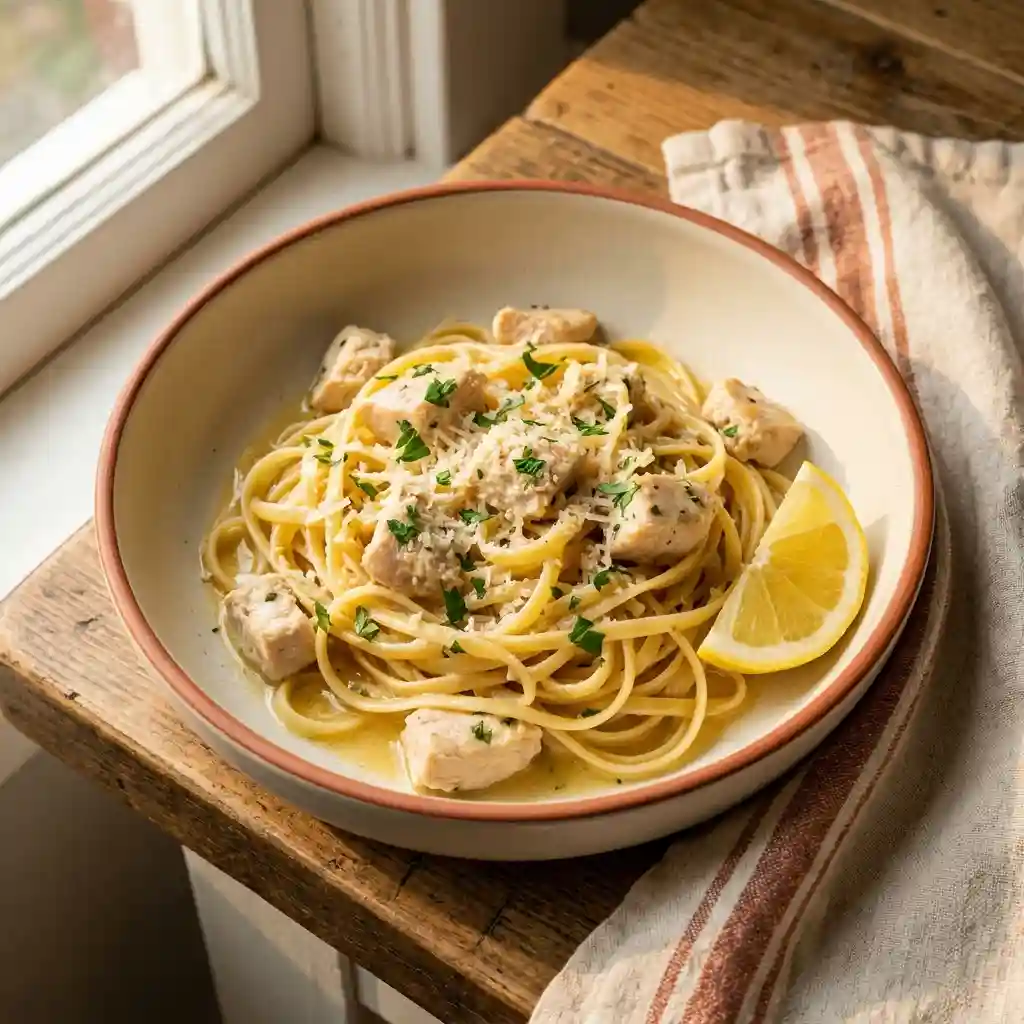
Chicken scampi pasta takes the garlic butter and white wine sauce traditionally built around shrimp and puts tender chicken at the center instead. The result tastes like something you’d order at an Italian restaurant, but it comes together in one skillet with ingredients most people already have on hand.
This is a genuinely quick weeknight dinner despite feeling a bit special, ready in under 40 minutes from start to finish. Below is the full ingredient list, nutrition info, and a step-by-step walkthrough with a photo for every stage, along with a few notes on where this dish tends to go wrong and how to avoid it.
Why It Works
- Searing the chicken first and setting it aside, rather than cooking it in the sauce the whole time, keeps it from overcooking while the sauce reduces and develops flavor.
- Not wiping out the pan between searing the chicken and sautéing the garlic means all that browned flavor stays in the dish instead of getting rinsed down the drain — it’s the foundation the whole sauce builds on.
- Keeping the butter-and-wine sauce at a gentle simmer rather than a hard boil prevents it from breaking, since pushing a butter sauce too hard risks it separating into something greasy rather than glossy.
Worth Knowing
- A dry white wine like sauvignon blanc or pinot grigio works best here; anything sweet will throw off the balance of the sauce.
- This dish is best eaten fresh — the sauce loses some of its glossy texture on reheating, though a splash of extra broth or water when warming leftovers helps bring it back together.
- Reserving a bit of pasta water before draining is worth doing every time, since it’s the easiest way to loosen the sauce if it looks too thick once the pasta goes in.
Ingredients
- 12 oz linguine
- 1.5 lbs chicken breast, diced
- 2 tbsp olive oil
- 5 tbsp butter, divided
- 5 cloves garlic, thinly sliced
- 1/4 tsp red pepper flakes (optional)
- 1/2 cup dry white wine
- 2 tbsp lemon juice
- 1 tsp lemon zest
- 1/2 cup grated parmesan
- Fresh parsley, chopped
- Salt and black pepper to taste
- Lemon wedges, for serving
Step-by-Step Instructions
Sear the Chicken

Season the diced chicken with salt, pepper, and a bit of Italian seasoning, then sear it in a large skillet with a mix of olive oil and a tablespoon of the butter over medium-high heat until golden on the outside and cooked through, about 6 to 8 minutes. Don’t crowd the pan here — if the chicken is packed in too tightly, it steams instead of browning, and that browned crust is doing real work for the flavor of the finished sauce. Remove the chicken and set it aside once it’s done.
Sauté the Garlic

In the same skillet, without wiping it out, melt most of the remaining butter over medium heat and add the sliced garlic along with the red pepper flakes if using. Cook for about a minute, just until the garlic turns golden and fragrant — not brown. Garlic burns fast once it starts to color, and burnt garlic turns bitter rather than sweet, so this is a step to actually watch rather than walk away from.
Deglaze with White Wine

Pour in the white wine and let it bubble for a minute, scraping up any browned bits stuck to the bottom of the pan as it deglazes. Those browned bits are leftover from searing the chicken, and they’re where a lot of this sauce’s depth actually comes from — skipping the scraping step here leaves a noticeably flatter sauce. If you’d rather skip the wine entirely, chicken broth with a small splash of lemon juice gets you most of the way there, though the flavor won’t be quite as layered.
Simmer the Sauce

Let the sauce simmer for 3 to 4 minutes to reduce slightly and concentrate the flavor, then stir in the lemon juice and zest. Keep the heat at a gentle simmer rather than a hard boil — this is a butter-based sauce, and pushing it too hard for too long risks it breaking or turning greasy instead of staying glossy and emulsified.
Toss the Pasta with Sauce and Chicken

Add the cooked linguine directly to the skillet along with the seared chicken, tossing everything together so the pasta soaks up the sauce rather than just sitting in a pool of it underneath. If the sauce looks like it’s clinging too thickly or the pan seems dry, a splash of the reserved pasta water loosens it right back up without diluting the flavor, since that starchy water helps the sauce bind to the noodles.
Serve
Plate the pasta, top with grated parmesan and fresh parsley, and serve with a lemon wedge on the side for anyone who wants an extra squeeze. This dish comes together fast enough for a weeknight but tastes like something you’d order at a restaurant, and it’s best enjoyed right away while the sauce is still glossy and the chicken’s crust hasn’t had time to soften.
Frequently Asked Questions
What does scampi actually mean?
Scampi traditionally refers to a small lobster-like crustacean and, by extension, to dishes cooked in a garlic, butter, and white wine sauce that were originally built around them or shrimp. Chicken scampi borrows that same sauce style and swaps in chicken, which has become common enough that most people now associate the word more with the sauce than the shellfish.
Can I make chicken scampi without wine?
Yes, chicken broth with a small splash of extra lemon juice makes a reasonable substitute, though the sauce won’t have quite the same depth that wine’s acidity and flavor bring during the deglazing step. A dry vermouth is another option if you have it, since it holds up well in cooked sauces even after the bottle’s been open a while.
What pasta works best for chicken scampi?
Linguine is traditional and its flat shape holds the butter sauce well, but spaghetti, angel hair, or fettuccine all work fine as substitutes. It’s worth avoiding very short, chunky shapes, since the sauce here is thin enough that it benefits from a long noodle to twirl and coat evenly.
Why did my scampi sauce break or turn greasy?
This usually happens when the sauce is boiled too hard for too long, which can cause the butter to separate from the liquid instead of staying emulsified. Keeping the heat at a gentle simmer once the butter and wine are combined, rather than a rolling boil, is the main way to avoid this.
Can I make this dish ahead of time?
Chicken scampi is really at its best fresh, since the sauce can lose its glossy texture and the chicken’s crust softens on reheating. If you do need to make it ahead, reheating gently over low heat with a splash of extra broth or water helps bring the sauce back together, though the chicken won’t have quite the same texture as fresh.
What can I serve alongside chicken scampi pasta?
A simple green salad or roasted vegetable like broccoli or asparagus balances the richness of the butter sauce well without competing with it. Crusty bread on the side is also a natural pairing, mainly because it’s hard to leave any of that garlic butter sauce behind in the bowl.
Loved This Recipe?
Follow MealNiche on Pinterest for new easy dinner ideas, quick pasta recipes, and seasonal favorites every week. Pin this recipe to save it for later.
Follow on Pinterest